Authentic Cannoli Siciliani – Crispy, Creamy, Irresistible! 4h Prep Time.
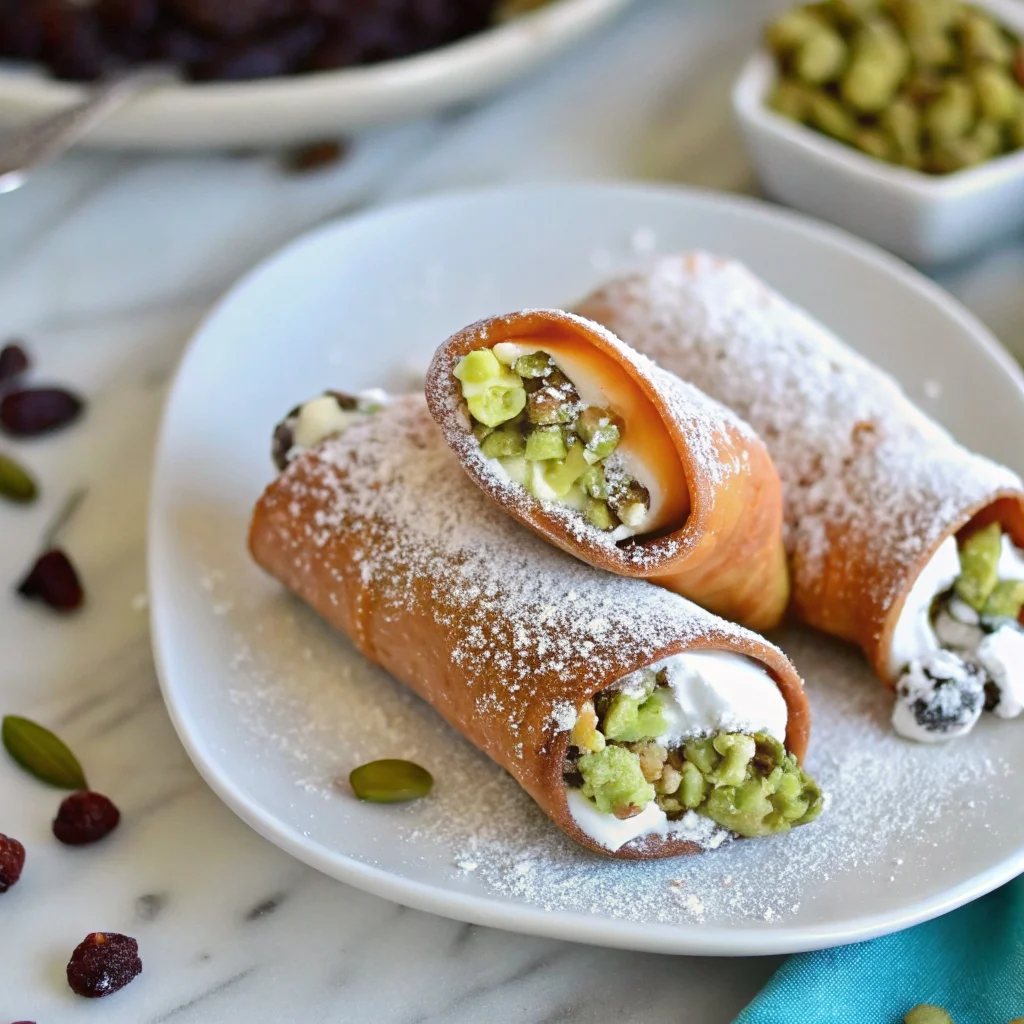
Table of Contents
Easy Authentic Cannoli Siciliani: The Classic Italian Dessert You Can Master at Home
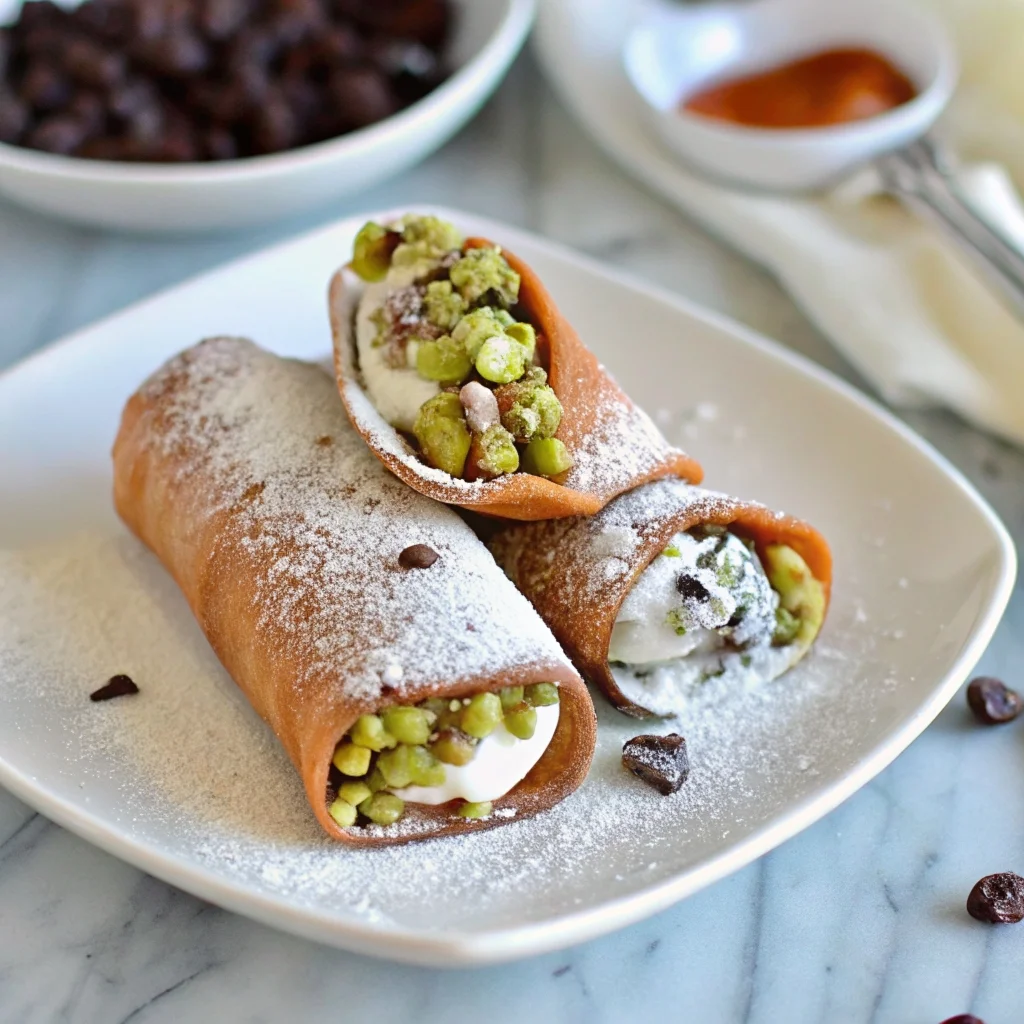
Crispy on the outside and creamy on the inside, these homemade Cannoli Siciliani are the perfect taste of Italy! Imagine biting into a perfectly golden, bubbly shell that shatters delicately with every bite, revealing a smooth, velvety ricotta filling lightly sweetened and speckled with tiny chocolate chips. Each cannolo is a beautiful contrast of textures and flavors: crisp and airy on the outside, rich and creamy on the inside, with a hint of citrus and a touch of Marsala wine that makes every bite taste like sunshine from Sicily. It’s pure perfection — simple, quality ingredients transformed into something truly magical. While making cannoli at home might seem intimidating, this authentic recipe breaks it down into clear, achievable steps. With a little patience and these pro tips, you’ll be enjoying the most incredible, crispy, creamy cannoli you’ve ever tasted. For another classic Italian dessert, try our Tiramisu.
Why You’ll Love This Authentic Cannoli Siciliani Recipe
- The Real Deal, Made at Home: An authentic recipe for the classic Sicilian pastry, from a true Italian source.
- Incredibly Crispy, Bubbly Shells: The secret combination of Marsala wine and vinegar creates the signature light, airy, blistered texture.
- Luscious, Creamy Ricotta Filling: Perfectly sweetened, studded with mini chocolate chips, and luxuriously smooth.
- Easier Than You Think: With step-by-step instructions and pro tips, you’ll be shaping and frying cannoli like a pro.
- A Show-Stopping Dessert: Perfect for holidays, dinner parties, or any time you want to impress with a true Italian classic.
Your Simple Ingredients for Perfect Authentic Cannoli Siciliani
For the Shells:
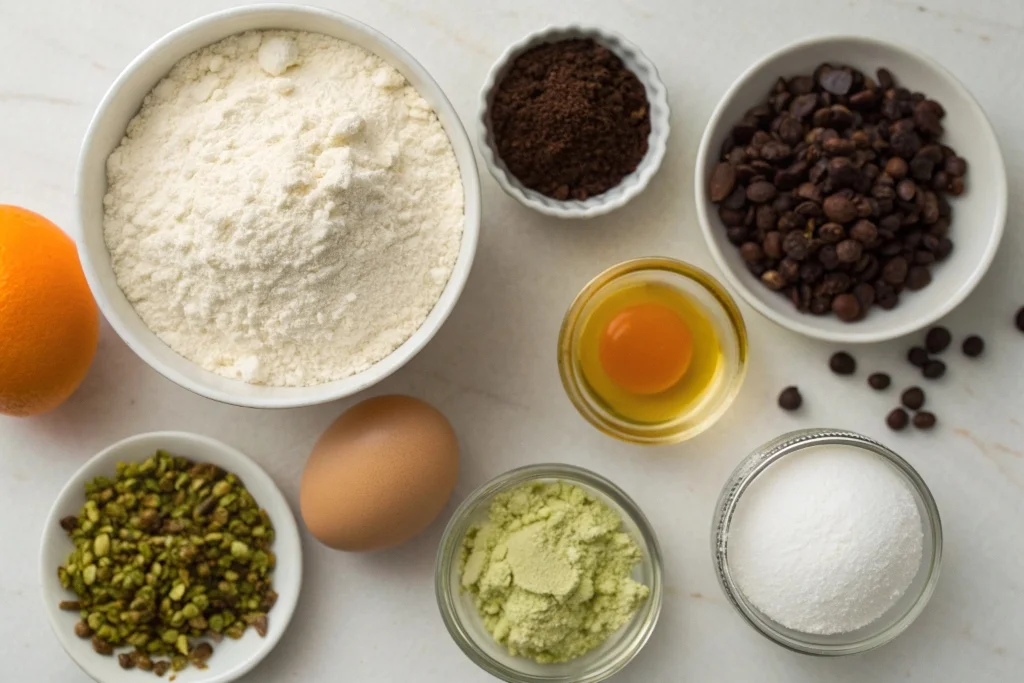
- 2 cups (250 g) all-purpose flour
- ½ teaspoon cocoa powder or ground cinnamon
- 2 tablespoons (30 g) unsalted butter, at room temperature
- 2 tablespoons (25 g) sugar
- Finely grated zest of 1 large orange
- 1 large egg
- ¼ cup (60 ml) Marsala wine
- 1 tablespoon white wine vinegar
- ¼ teaspoon salt
- Vegetable oil, for frying
For the Filling:
- 2 lb (900 g) whole milk ricotta cheese, well-drained
- 1 cup (200 g) sugar
- About ¾ cup (130 g) mini chocolate chips (regular are too big!)
- 1 egg yolk (for egg wash) or 2 tablespoons milk
- Powdered sugar, for dusting
- Crushed toasted pistachios or additional mini chocolate chips, for decorating
Pro Tip: The Secret to a Perfectly Creamy Filling
The absolute most important step for the filling is to drain the ricotta thoroughly. Place it in a fine-mesh strainer set over a bowl, cover, and refrigerate for at least 2 hours, or preferably overnight. This removes excess liquid, ensuring your filling is thick, creamy, and won’t make your crispy shells soggy. Do not skip this step!
How to Make Perfect Authentic Cannoli Siciliani
Phase 1: Drain the Ricotta
Start Early: Place the ricotta in a fine-mesh strainer set over a bowl. Cover and refrigerate for at least 2 hours, or up to overnight. The longer it drains, the thicker and creamier your filling will be.
Phase 2: Make the Cannoli Dough
Mix Dry Ingredients: In a large bowl, sift together the flour and cocoa powder (or cinnamon). Add the softened butter and work it into the flour using your fingertips or a fork until the mixture resembles coarse crumbs.
Add Wet Ingredients: Stir in the sugar and orange zest. Add the egg, Marsala wine, and the white wine vinegar with the salt dissolved in it. Mix everything together in the bowl first, then turn the dough out onto a clean work surface.
Knead to Smooth: Knead the dough by hand for several minutes until it becomes smooth and elastic. Wrap the dough tightly in plastic wrap and refrigerate for at least 2 hours. This resting time is crucial for relaxing the gluten and making the dough easier to roll.
Phase 3: Make the Ricotta Filling
Finish the Filling: Once the ricotta has drained, pass it through a fine-mesh sieve into a clean bowl to ensure it’s perfectly smooth. Add the sugar and mix well with a spatula. Gently fold in the mini chocolate chips. Cover and refrigerate until you’re ready to fill the shells.
Phase 4: Roll and Shape the Shells
Prep the Pasta Roller: Take about one-third of the chilled dough from the fridge, keeping the rest covered. Flatten it slightly with your hands. Set your pasta roller to the widest setting (usually 1). Feed the dough through, then fold the sheet into thirds and pass it through again. Repeat once or twice until the dough is smooth.
Roll to Thin: Gradually move to thinner settings (2, then 3, and finally 4), rolling the dough through once at each setting. You’re aiming for a thickness of about 1.5 mm. The sheet should be thin but still sturdy enough to wrap around a cannoli tube without tearing.
Cut Circles: Use a 10 cm (4-inch) round cutter to cut out circles from the dough sheet. Gather and re-roll scraps as needed.
Wrap Around Tubes: Gently wrap each circle around a cannoli tube, overlapping the edges slightly. Brush the overlapping edge with a little egg yolk or milk to seal, and press lightly to ensure it’s firmly closed. Avoid getting any wash on the metal tube itself. Place the prepared shells on a tray and cover with a clean kitchen towel to prevent them from drying out.
Phase 5: Fry to Golden Perfection
Heat the Oil: In a deep, heavy-bottomed pot, heat several inches of vegetable oil to 350°F (175°C) . Use a thermometer for accuracy.
Fry in Batches: Gently place one or two shells at a time into the hot oil, placing them with the open side down so they don’t open up while frying. Fry for about 1-2 minutes, turning once, until they are evenly golden brown and covered in those signature bubbles.
Drain and Cool: Carefully lift the shells out with tongs, letting excess oil drip off, and transfer them to a paper towel-lined tray. Let them cool for just a few seconds – they should still be warm but safe to handle.
Remove from Molds: Gently press inward on the seam of the metal mold to loosen the shell, then carefully slide the tube out. Do not twist or pull hard, as the shells are delicate. Place the cooled shells on a tray. Repeat with the remaining dough and shells.
Phase 6: Fill and Serve
Fill Just Before Serving: The most important rule of cannoli: fill them only when you’re ready to serve! This keeps the shells perfectly crispy. Transfer the ricotta filling to a piping bag fitted with a large tip. Pipe the filling into each shell from both ends to ensure it’s completely filled.
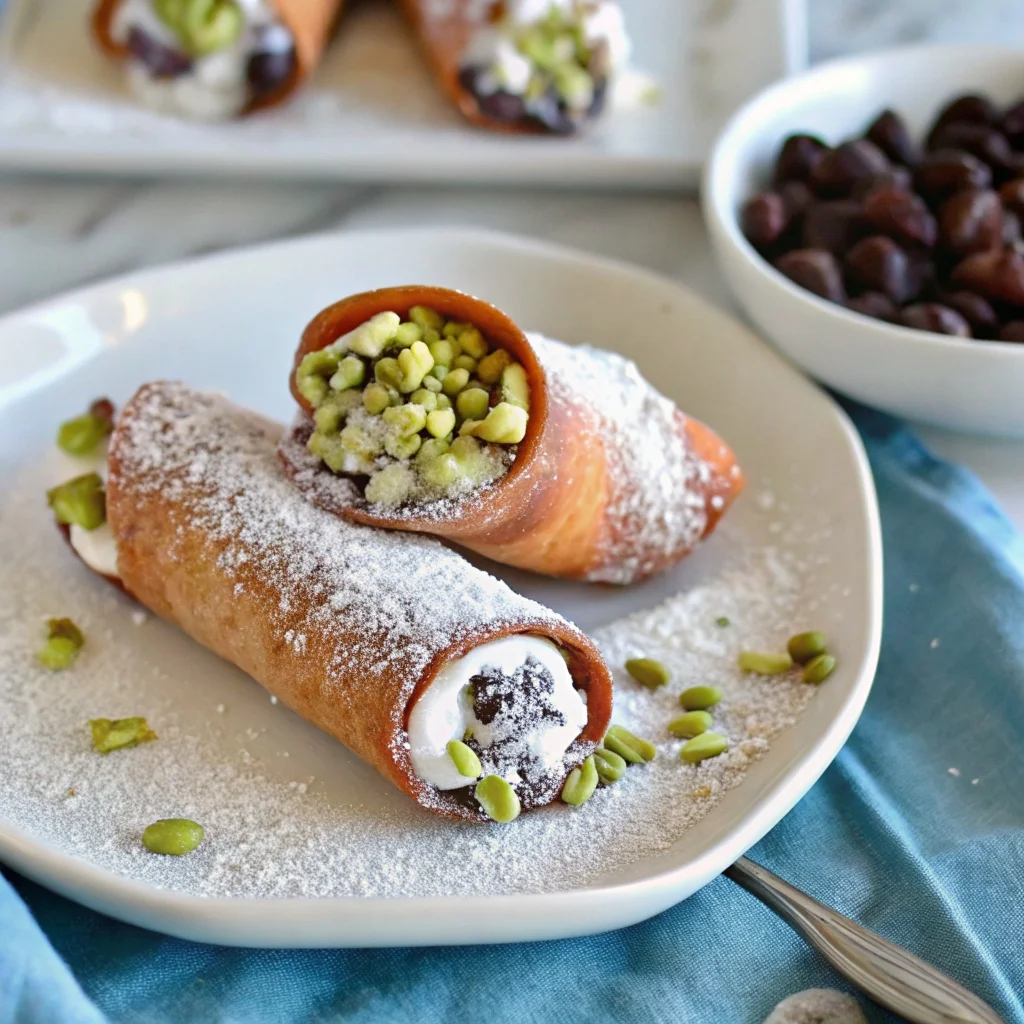
Decorate and Dust: Dip the ends of the filled cannoli into crushed toasted pistachios or extra mini chocolate chips. Dust generously with powdered sugar. Arrange on a platter and serve immediately.
Pro Tips & Easy Variations for Your Cannoli
- Use a Thermometer for Frying: Maintaining the correct oil temperature (350°F) is crucial. Too cool, and the shells will be greasy; too hot, and they’ll brown before crisping properly.
- Work in Batches: Only take out a small portion of dough at a time to prevent it from drying out.
- Chocolate-Dipped Shells: For an extra-decadent touch, dip the ends of the cooled, unfilled shells in melted dark chocolate and let them set before filling.
- Candied Fruit: Instead of chocolate chips, use finely chopped candied orange peel or citron for a more traditional variation.
- Make Them Mini: Use a smaller cutter to create bite-sized cannoli, perfect for parties and dessert tables.
Serving Suggestions for an Italian Feast
Serve these beautiful cannoli as the grand finale to an Italian feast. They pair perfectly with an espresso or a small glass of sweet Marsala wine. Arrange them on a beautiful platter with fresh berries and a dusting of powdered sugar for an elegant presentation. They’re a guaranteed showstopper for holidays like Christmas, Easter, or any special celebration.
Nutrition Information
(Approximate per cannolo) Calories: 290, Fat: 14g, Carbohydrates: 32g, Protein: 9g, Sugar: 18g. A rich, classic Italian treat. Values will vary based on specific ingredients and frying oil absorption.
Storage & Make-Ahead Instructions
- Store Shells and Filling Separately: This is the golden rule! Store unfilled shells in an airtight container at room temperature for 2-3 days. Store the ricotta filling in the refrigerator for up to 2 days.
- Assemble Just Before Serving: Fill the shells only when you’re ready to eat to maintain maximum crispiness.
- Freeze Shells: You can freeze the unfried, shaped shells on a baking sheet, then transfer to a freezer bag. Fry directly from frozen, adding a minute or so to the cooking time.
- Do Not Freeze Filled Cannoli: The shells will become soggy upon thawing.
Your Authentic Cannoli Siciliani Questions Answered
- What is the best ricotta to use for cannoli?
- Authentic cannoli uses ricotta di pecora (sheep’s milk ricotta), but it can be hard to find. High-quality whole milk ricotta works beautifully. The most important thing is to drain it thoroughly to remove excess water.
- Can I make cannoli without a pasta roller?
- Yes, you can! Roll the dough out by hand with a rolling pin. It takes more effort to get it thin and even, but it’s absolutely possible. Aim for that same 1.5 mm thickness.
- Why do my cannoli shells have no bubbles?
- The bubbles come from the Marsala wine and vinegar reacting during frying. If you skip these ingredients, you won’t get that signature bubbly, light texture. Also, ensure your oil is at the correct temperature.
- My cannoli shells opened up during frying. What happened?
- This usually means the seam wasn’t sealed well enough. Make sure to use enough egg wash and press firmly to seal. Also, placing the shells with the open side down in the oil helps keep them closed.
- Can I use a different alcohol instead of Marsala?
- Marsala wine is traditional and provides a unique flavor. You could experiment with a sweet white wine like Vin Santo, but the classic result relies on Marsala.
More Incredible Italian Dessert Recipes to Try
If you love these classic cannoli, you’ll adore our other Italian-inspired desserts. Our Tiramisu is a no-bake favorite.
The Story Behind This Timeless Italian Classic
Authentic Cannoli Siciliani are more than just a dessert; they are a symbol of Sicilian culinary heritage. Originating in Palermo, these sweet treats have been enjoyed for centuries, traditionally prepared during Carnevale but now beloved year-round. The combination of a crisp, fried pastry shell and a sweet, creamy ricotta filling is a stroke of genius, a perfect balance of textures and flavors. The secret to the shell’s signature bubbly texture—the Marsala and vinegar in the dough—is a testament to the resourcefulness and deep understanding of ingredients that defines Italian cooking. This recipe honors that tradition, bringing a taste of Sicily into your own kitchen. This wonderfully authentic and delicious recipe is inspired by the version shared on Cooking with Manuela by Manuela Mazzocco.
Pin This Authentic Recipe For Your Next Italian Feast!
These cannoli will transport you straight to Sicily. Save this image to your “Italian Recipes” or “Dessert” Pinterest board so you always have this classic recipe ready. Did you make these beautiful, crispy cannoli? We’d love to see your creation – tag us in your photos!
Authentic Cannoli Siciliani
Equipment
- Cannoli Tubes Essential for shaping the shells.
- Pasta Roller Makes rolling the dough thin and even much easier.
- Deep-Fry Thermometer Crucial for maintaining the correct frying temperature.
- Fine-Mesh Strainer For draining the ricotta.
- Piping Bag For neatly filling the shells.
Ingredients
- 2 cups all-purpose flour
- 0.5 tsp cocoa powder or ground cinnamon
- 2 tbsp unsalted butter, room temperature
- 2 tbsp sugar
- 1 large orange, zested
- 1 large egg
- 0.25 cup Marsala wine
- 1 tbsp white wine vinegar
- 0.25 tsp salt
- Vegetable oil, for frying
- 2 lb whole milk ricotta cheese, well-drained
- 1 cup sugar
- 0.75 cup mini chocolate chips
- 1 egg yolk (for egg wash) or 2 tbsp milk
- Powdered sugar, for dusting
- Crushed toasted pistachios, for decorating
Instructions
- Place ricotta in a fine-mesh strainer over a bowl. Cover and refrigerate to drain for at least 2 hours, or overnight.
- In a bowl, sift flour with cocoa or cinnamon. Work in butter with fingertips until crumbly. Add sugar, orange zest, egg, Marsala, and vinegar (with salt dissolved). Mix, then knead on a surface until smooth and elastic. Wrap in plastic and refrigerate for 2 hours.
- Pass drained ricotta through a sieve into a bowl. Mix in sugar, then fold in mini chocolate chips. Cover and refrigerate.
- Working with one-third of the dough at a time, roll it through a pasta roller, gradually thinning to setting 4 (about 1.5mm thick). Cut into 4-inch circles.
- Wrap each circle around a cannoli tube, overlapping edges. Seal with egg yolk or milk. Place on a tray, covered with a towel.
- Heat oil to 350°F. Fry shells a few at a time, open side down, for 1-2 minutes until golden and bubbly. Drain on paper towels. Cool slightly, then gently remove tubes. Cool completely.
- Just before serving, pipe filling into both ends of each shell. Dip ends in crushed pistachios, dust with powdered sugar, and serve immediately.